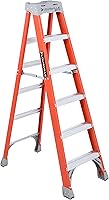
Best Cosco 3 Step Ladders: How to Choose
The best Cosco step ladder 3 step for most homes is the Cosco 3-Step Rolling Step Ladder. Its 300 lb duty rating and 7 ft 10 in reach handle stockroom and overhead jobs, and its casters lock into suction cups when you step on. Pick an aluminum or fiberglass 3-step when you need light carrying weight or electrical protection.
On this page (8 sections)
- What makes the Cosco 3-Step Rolling Ladder the best overall?
- Which 3-step ladder is best for light carrying and storage?
- When is a fiberglass 3-step the better buy?
- How do you compare reach, duty rating and step size?
- Which 3-step suits home use, and which suits the shop?
- How should you handle storage and moving the ladder?
- How do you set up and stay safe on a 3-step ladder?
- Which 3-step ladder should you buy?
A 3-step ladder gets you to kitchen shelves, closet tops and garage rafters without dragging out a full extension ladder. The Cosco 3-Step Rolling Step Ladder is the best cosco step ladder 3 step for most buyers, because it pairs a 300 lb ANSI Type 1A rating with a 7 ft 10 in maximum reach and casters that lock down when you climb.
That combination covers storage rooms, overhead repairs and daily household reach in one tool.
The Cosco model isn't the right answer for everyone, though. Aluminum and fiberglass 3-step ladders weigh less and suit different jobs.
This guide walks through the choices in order of how we scored them, then explains the specs that decide the fit: reach, duty rating, step size, storage and material. If you need more height than 3 steps give you, our roundup of the best 8 foot step ladders covers the next size up.
Our picks at a glance
-
1

-
2

-
3

What makes the Cosco 3-Step Rolling Ladder the best overall?
The Cosco 3-Step Rolling Step Ladder wins for most buyers because it combines mobility, stability and a high duty rating in one unit. It's the top scorer here at 8.6, and its specs line up with the jobs people actually use a 3-step for.
The frame is alloy steel with a powder-coated finish. Cosco rates it to ANSI Type 1A at 300 lb, the strongest duty rating among the three picks.
That headroom matters if you carry paint cans, tool bags or boxes up the steps.
Its 7 ft 10 in maximum reach assumes a person 5 ft 6 in tall with a 12 in vertical reach. If you're taller, you'll reach higher; if you're shorter, plan for a little less.
Measure your top shelf before you buy rather than guessing.
The rolling design is the real differentiator. Four casters let you push the ladder from the pantry to the garage without lifting it.
When you step on, the casters retract into four oversized suction cups that hold the base steady. Cosco backs the frame with a 10-year limited parts warranty.
The rule: choose this Cosco model when your 3-step work moves around the house or shop and you want a high weight rating without lifting a steel frame each time.
How the rolling base works in practice
The casters roll when the ladder is empty. Once weight lands on the steps, the base settles onto the suction cups.
That's why you should step onto the bottom step first and feel the base lock before climbing higher.
The system relies on a flat, smooth floor. On bare concrete, tile or vinyl it seats well.
On deep carpet or a sloped driveway the cups have less flat surface to grip. Cosco's 300 lb rating is a static load limit, not a promise about every surface you roll it onto.
Who this Cosco step ladder 3 step suits
It suits garage and utility-room work, filing and stocking, and overhead repairs in a shop. Cosco describes the room type as garage and utility area, which matches the rolling design.
The 16 x 8 in steps are wide enough to stand on with both feet while you work.
The trade-off is storage. It stays assembled at 26.57 in deep, 22.44 in wide and 31.1 in high, so it wants a floor corner rather than a closet.
If your only storage is a narrow slot behind a door, an aluminum model folds flatter.
Which 3-step ladder is best for light carrying and storage?
The Rubbermaid 3-Step Ladder is the best pick when weight and storage matter more than reach. It weighs 10.5 lb, folds to 4.72 in deep and carries a built-in project tray.
Its 8.3 score puts it third overall, but for apartment closets and quick household jobs it's the easier ladder to live with.
The frame is aluminum. Rubbermaid rates it to ANSI Type 1 at 250 lb and tests it to US safety standards.
That's 50 lb less than the Cosco rolling model, so it's the better fit for lighter tasks than for hauling heavy stock.
The oversized top platform and the project tray are the practical wins. The tray holds paint, tools and hardware while you work, and the manufacturer lists the top platform step as the highest intended standing level.
The platform latch locks automatically when you fold the ladder out.
Its non-marring rubber feet keep it steady on wood floors without scratching them. The folding depth of 4.72 in means it slips behind a door or into a closet.
Rubbermaid includes a 1-year limited warranty and ships it assembled.
The rule: pick this Rubbermaid when you store the ladder in a closet and carry it room to room, and when 250 lb covers your tools and body weight.
Reach and height on the Rubbermaid
The Rubbermaid's folded height is 59.84 in. Its 250 lb rating and aluminum frame make it a household ladder first.
For overhead garage repairs where you need the full 7 ft 10 in reach, the Cosco rolling model is the stronger choice. Our roundup of the best 3-step ladders for kitchens and closets compares more compact options if storage is your main concern.
When is a fiberglass 3-step the better buy?
A fiberglass 3-step is the better buy when you work near live wiring or want the widest treads and highest weight rating. The Little Giant Jumbo Step 3-step fiberglass stool scores 8.4 and carries 375 lb, the highest capacity of the three.
Fiberglass doesn't conduct current the way aluminum and steel do, which is why electricians and maintenance crews choose it.
Little Giant builds the treads extra wide and deep, shaped like stairs rather than rungs. That design gives you a natural footing and cuts fatigue when you stand for a while.
The top cap and rotating handrail add a tray for tools and a grip for balance.
The rotating handrail folds down to form a staircase-like transition. That helps when you step into or out of a truck bed or another raised surface.
Oversized non-slip rubber feet with a wide base hold steady on hard floors, carpet and shop surfaces.
At 18 lb it's heavier than the Rubbermaid but far lighter than a steel rolling ladder. Its low-profile fold lets it slide into a closet or behind a door.
Little Giant rates it to 375 lb and builds it from a fiberglass blend.
The rule: choose this Little Giant when the job involves electricity, long standing periods or a heavier load, and when the wider treads are worth the extra weight over aluminum.
Fiberglass versus steel and aluminum
Fiberglass blocks live current, so it's the safe choice near panels and wiring. Steel is the sturdiest for static loads and the Cosco rolling model uses it.
Aluminum is the lightest to carry. Your job decides which trade-off matters most.
For general household reach with no electrical risk, the Cosco rolling model's 300 lb steel frame is the tougher tool. For electricians and pros, fiberglass is the standard.
How do you compare reach, duty rating and step size?
Start with reach, then duty rating, then step size. Those three specs decide whether a ladder gets you to the job, holds you safely and feels stable underfoot.
Everything else, from casters to trays, is a convenience layer on top.
Reach is the number to check first. Cosco publishes 7 ft 10 in for its rolling model at a 5 ft 6 in user height.
Add your own arm reach to the top step height to estimate yours on the other models.
If your ceiling work sits above that, size up.
Duty rating tells you the load limit. ANSI Type 1A is 300 lb and Type 1 is 250 lb.
The Cosco rolling model is Type 1A. Rubbermaid is Type 1.
Little Giant lists 375 lb, above both. Add your body weight and the tools you carry before you compare.
Step size changes comfort. Cosco uses 16 x 8 in resin treads.
Little Giant uses extra-wide, deep treads shaped like stairs. Rubbermaid uses an oversized platform top step.
Wider, deeper steps cost more and weigh more, but they're easier on your feet during longer jobs.
| Spec | Cosco Rolling | Little Giant Jumbo | Rubbermaid |
|---|---|---|---|
| Material | Alloy steel | Fiberglass | Aluminum |
| Duty rating | 300 lb, ANSI Type 1A | 375 lb | 250 lb, ANSI Type 1 |
| Reach | 7 ft 10 in | Platform height only | Platform height only |
| Weight | 25.1 lb | 18 lb | 10.5 lb |
| Folded storage | 26.57 x 22.44 x 31.1 in | Low-profile fold | 4.72 in deep |
| Step type | 16 x 8 in resin treads | Stair-like wide treads | Oversized platform top |
| Extras | Casters and suction cups | Rotating handrail and top tray | Project tray and rubber feet |
The rule: write your reach need and load weight on paper first, then eliminate any ladder that misses either one. The extras only matter after those two pass.
Which 3-step suits home use, and which suits the shop?
A 3-step ladder for home use should be light, fold flat and carry a 250 lb rating. That points to the Rubbermaid for closets and kitchens.
A shop or commercial ladder should take heavier loads and move easily, which points to the Cosco rolling model or the Little Giant fiberglass stool.
Home buyers usually care about storage and carrying weight. The Rubbermaid's 10.5 lb frame and 4.72 in fold are built for that.
Its 250 lb rating covers most household tasks and its non-marring feet protect wood floors. If you want a dedicated guide to household options, see our roundup of the best step ladders for home use.
Shop buyers care about load, stability and getting to the job fast. The Cosco rolling model moves on casters and locks down under weight.
The Little Giant fiberglass stool handles electrical work and long standing periods. Both are heavier, and that weight buys stability.
The 2-step versions of the Cosco line suit the same jobs at lower height. Our guide to the cosco step ladder 2 step covers when a shorter ladder is the smarter buy.
How should you handle storage and moving the ladder?
Check the folded size before you buy, because storage decides how often you'll actually use the ladder. A ladder that's awkward to put away gets left out or skipped, and neither is safe or tidy.
Measure the slot, the doorway and the route first.
The Cosco rolling model stays assembled and wants floor space. It rolls to its spot on casters and needs 26.57 in of depth.
A garage corner or utility room works well. A narrow hall closet does not.
The Rubbermaid folds to 4.72 in deep and 59.84 in tall. That's slim enough for a closet slot or behind a door.
The Little Giant's low-profile fold also slips into tight spots, though its wider stance needs a little more room.
Moving matters too. Rubbermaid weighs 10.5 lb and carries easily.
Little Giant at 18 lb needs two hands on stairs. The Cosco rolling model at 25.1 lb rolls on flat floors but must be lifted over thresholds and steps.
The rule: measure the storage spot and the carrying route before you order. A ladder that fits its home gets used more, and more use means safer habits.
How do you set up and stay safe on a 3-step ladder?
Set the ladder on flat, dry ground, lock or settle the base and keep your hips between the rails. Most 3-step accidents come from reaching sideways, standing too high or placing the base on uneven ground.
A few habits prevent nearly all of them.
With the Cosco rolling model, step on the bottom step first and feel the casters retract into the suction cups. Then climb.
With the Rubbermaid, confirm the platform latch has locked. With the Little Giant, check that the handrail is set and the feet sit flat.
Keep your body centered. Don't stand on the top cap or the very top step of a step ladder unless the maker says it's a standing platform.
Keep three points of contact when you can. Carry tools in a tray or pouch rather than in your hands.
Keep the ladder away from live wiring unless it's fiberglass. Don't set it on a wet floor, a sloped driveway or loose gravel.
Store it indoors and out of the weather. Check the steps and feet for damage before each use.
The rule: lock the base and center your body every time. Cosco's 300 lb rating and Little Giant's 375 lb rating assume the ladder sits level and the load is centered.
Which 3-step ladder should you buy?
For most buyers, the Cosco 3-Step Rolling Step Ladder is the best cosco step ladder 3 step overall. Its 300 lb steel frame, 7 ft 10 in reach and rolling base cover storage rooms, garages and overhead jobs without lifting a heavy ladder each time.
Pick the Rubbermaid if you store it in a closet and carry it room to room.
Pick the Little Giant if you work near electricity or stand for long stretches. Use the reach figure first and the weight rating second, and the right 3-step follows.
If you want to see more compact household models, browse the full 3-step ladder roundup.
| Product | Best for | Our score |
|---|---|---|
| Cosco 3-Step Rolling Step Ladder | ||
| Little Giant Jumbo Step 3-step fiberglass stool | ||
| Rubbermaid 3-Step Ladder |
Cosco 3-Step Rolling Step Ladder
Little Giant Jumbo Step 3-step fiberglass stool
Rubbermaid 3-Step Ladder
Frequently asked questions
Is the Cosco 3-step ladder safe to stand on?
Cosco rates its 3-step rolling ladder to ANSI Type 1A and 300 lb. Four casters roll when pushed and retract into oversized suction cups when weight lands on the steps.
Set it on a flat, dry floor and step on to let the casters retract into the suction cups before climbing.
How high can I reach on a Cosco 3 step ladder?
Cosco says the rolling model reaches 7 ft 10 in for a person 5 ft 6 in tall, measured with a 12 in vertical reach. Your own reach changes the number, so add your arm length to the top step height before you buy.
What does ANSI Type 1A mean on a step ladder?
ANSI Type 1A is a duty rating for ladders built to hold 300 lb. Cosco's 3-step rolling model carries that rating.
Rubbermaid's aluminum 3-step carries ANSI Type 1 at 250 lb, so the two models are not rated the same.
Do Cosco rolling step ladders roll on carpet?
Cosco says its four casters roll when pushed and the suction cups grip when weight is applied. That design suits hard floors best.
On thick carpet the cups have less flat surface to seal against, so test the roll and lock before relying on it.
How do I store a 3 step ladder in a small closet?
Check the folded depth first. Rubbermaid's aluminum 3-step folds to 4.72 in deep and 59.84 in tall.
Cosco's rolling model stays assembled at 26.57 in deep by 22.44 in wide by 31.1 in high, so it needs floor space rather than a closet slot.
What is the weight limit on a Cosco 3 step ladder?
The Cosco 3-Step Rolling Step Ladder is rated 300 lb under ANSI Type 1A. That covers most household jobs and many commercial ones.
If your tools and body weight together come close to that figure, step up to a higher-rated model.