Type 1A vs Type 1AA Ladder: What's the Difference? (October 2026)
Type 1AA ladders have a 375 lb duty rating, while Type 1A ladders have a 300 lb duty rating. Choose by the ladder label and the combined weight of you, your tools and materials.
On this page (5 sections)
Type 1AA ladders are rated for 375 lb, while Type 1A ladders are rated for 300 lb. When comparing Type 1A vs Type 1AA ladder ratings, count your body weight, clothing, tools and materials as one total load.
The names are close, but the difference can matter when you carry equipment or work with materials. A higher rating does not tell you whether the ladder is tall enough, made from a suitable material or safe for your setup.
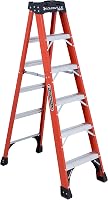
This comparison uses three Louisville step ladders: a 6 ft Type IA fiberglass model, a 6 ft Type IAA fiberglass model and an 8 ft Type IAA aluminum model.
 Best for 300 lb capacity
Louisville FS1506 6 ft fiberglass step ladder
 Best for heavy-duty 6 ft work
Louisville FS1406HD 6 ft Type IAA step ladder
Type 1A vs 1AA ladder: what do the ratings mean?
Type IA means a 300 lb duty rating, and Type IAA means a 375 lb duty rating. The number describes the ladder's maximum rated load, not how much weight you can carry on top of your own.
Add your body weight, clothing, tools and anything you hold while climbing. If the total is close to the ladder's limit, choose a model with a suitable higher rating rather than assuming the rating has extra room.
The ladder's own label is the source to follow for its rating and instructions. For more on how total load works, see how much weight a ladder can hold.
Is Type IAA always the better choice?
Type IAA gives you a higher rated capacity, but it isn't automatically the best ladder for every job. The correct height, material and setup still matter.
A 375 lb rating may be useful if your total working load exceeds 300 lb. But if the ladder is too short, too tall or unsuitable for the work area, a higher rating doesn't solve that mismatch.
A Type IA ladder can be a sensible fit when your total load stays within 300 lb and its size and material suit the task. Check the rating printed on the exact ladder before use.
Which Type 1A and Type 1AA ladders are compared here?
The 6 ft Louisville FS1506 is Type IA and rated for 300 lb; the 6 ft FS1406HD and 8 ft AS4008 are Type IAA and rated for 375 lb. Their materials and heights also differ.
| Product | Best for | Type | Capacity | Material | Our score |
|---|---|---|---|---|---|
| Louisville FS1506 6 ft fiberglass step ladder | 300 lb capacity | Type IA | 300 lb | Fiberglass | 9.1 |
| Louisville FS1406HD 6 ft Type IAA step ladder | heavy-duty 6 ft work | Type IAA | 375 lb | Fiberglass | 8.5 |
| Louisville AS4008 8 ft Type IAA aluminum step ladder | added reach | Type IAA | 375 lb | Aluminum | 8.3 |
The Louisville FS1506 6 ft fiberglass step ladder has a Type IA rating, fiberglass rails and a 300 lb load capacity. Its maker describes the fiberglass as non-conductive, but you should still follow its instructions and keep clear of electrical hazards.
The Louisville FS1406HD 6 ft Type IAA step ladder keeps the same 6 ft height and fiberglass material, with a 375 lb capacity. That makes it the direct comparison for anyone deciding whether the higher Type IAA rating is needed.
The Louisville AS4008 8 ft Type IAA aluminum step ladder also has a 375 lb rating, with a taller frame and aluminum construction. Aluminum conducts electricity, so account for nearby electrical hazards and check the ladder's instructions before choosing it.
How should you choose between Type 1A and Type 1AA?
Choose Type IA if your total load is within 300 lb; choose Type IAA if you need a rating up to 375 lb. Then confirm the height and material fit your work.
Write down the weight of the person who will climb, their clothing and the equipment they will carry. Add any material they will lift or hold while on the ladder.
If the sum is above a ladder's stated rating, don't use that ladder for the job. If multiple people may use it, choose based on the heaviest total load, not the lightest user.
Which height should you choose?
Pick a ladder height that lets you reach the work without standing on a prohibited step or stretching. Ladder height and duty rating answer different questions.
The two fiberglass models here are 6 ft tall. The aluminum model is 8 ft tall, which may suit a higher work area, but actual safe reach depends on ladder design and where you stand.
Use a step ladder height chart as a starting point, then follow the ladder's label for standing limits. If you are estimating a room task, the 12 ft ceiling ladder size guide can help you think through reach and placement.
Does fiberglass or aluminum matter?
Material matters because fiberglass and aluminum behave differently around electricity. The two Type IAA examples are not interchangeable in every work area.
The FS1406HD is fiberglass, described by Louisville as non-conductive. The AS4008 is aluminum, which conducts electricity; don't use it near electrical hazards.
For a broader material comparison, read aluminum vs fiberglass step ladders. The work area and ladder instructions should guide the choice.
How do you check a ladder's duty rating?
Read the duty rating on the ladder label and match it to the full load you expect to place on it. Don't rely on color, appearance or a similar model name.
Before climbing, check that the ladder is open and locked as directed, its feet rest on a firm and level surface, and the area is clear. Inspect for damage and follow the ladder maker's warnings.
Never exceed the total load limit, and don't use a ladder with a missing or unreadable label until you confirm its exact rating. Our guide to using a step ladder safely covers basic setup and climbing habits.
Do the Type 1A and Type 1AA labels decide the whole purchase?
No. The rating is one part of the decision, alongside height, material, condition and the job's setup.
Compare those factors before choosing between ladders.
Choose the Louisville FS1506 if a 300 lb total rating covers your load and a 6 ft fiberglass ladder fits the task. Choose the FS1406HD if you need the higher 375 lb rating at 6 ft, or the AS4008 if you need 8 ft height and can safely use aluminum.
For the wider set of ladder guidance, browse the ratings, setup and care guide. Type 1A vs 1AA comes down first to total load: stay within 300 lb for Type IA, or choose Type IAA when the job needs a rating up to 375 lb.
Frequently asked questions
What is the difference between Type 1A and Type 1AA ladders?
Type 1A ladders are rated for a 300 lb total load, while Type 1AA ladders are rated for 375 lb. The rating includes your weight plus tools and materials, so compare the ladder label with the full load you expect to carry.
Is a Type IAA ladder stronger than a Type IA ladder?
Type IAA has a higher duty rating: 375 lb compared with 300 lb for Type IA. That describes rated load capacity, not a promise that every Type IAA ladder suits every job.
Check the specific ladder label, height, material and setup instructions.
Does a Type IAA ladder hold 375 lb plus the user?
No. The 375 lb rating is the total load, including the climber, clothing, tools and materials.
Add those weights before choosing a ladder, and stay within its stated duty rating.
Are Type IA and Type IAA ladder ratings the same as ladder height?
No. IA and IAA describe duty ratings, while a ladder's size describes its height.
For example, the products compared here include 6 ft IA and IAA ladders plus an 8 ft IAA ladder.
Choose the rating and height separately for the task.