Step Stool vs Ladder: Which Do You Need at Home? (October 2026)
Choose a step stool for low, brief reaches and a stepladder for higher work that needs more standing height. For a step stool vs ladder choice at home, match the equipment to the task and your reach.
On this page (8 sections)
- Step stool vs ladder: which is right for the job?
- What is the difference between a step stool and a step ladder?
- When is a step stool enough?
- When should you choose a taller stepladder?
- Which material should you choose?
- How much weight rating do you need?
- How should you set up a stool or ladder?
- Should you buy a step stool or a ladder for home use?
Choose a step stool for low, brief reaches and a stepladder for higher work that needs more standing height. For a step stool vs ladder choice at home, match the equipment to the task and your reach.
A step stool is still a kind of ladder, but shoppers often use “step stool” for a short, compact unit and “ladder” for a taller stepladder. Here, the useful distinction is between low stools with a maximum height of 24 or 26 in and a 6 ft stepladder with a maximum height of 75 in.
Think about the actual job: reaching a shelf, cleaning a high cabinet, or working on a ceiling fixture. If your feet would need to leave the top step or you would have to lean, choose equipment with more suitable height instead.
 Best for two-sided low work
Little Giant Sure Step 3-step fiberglass stool
 Best for compact low reaches
Louisville AS3002 2 ft aluminum step stool
Step stool vs ladder: which is right for the job?
Use a step stool for a low reach close to your body; choose a taller stepladder when the work is higher. Both should let you stand steadily and reach without leaning sideways.
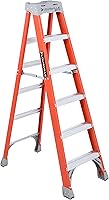
The Louisville AS3002 is a 2-step aluminum stool with a maximum height of 24 in. The Little Giant Sure Step is a 3-step fiberglass stool with a maximum height of 26 in, and the Flip-N-Lite is a 6-step aluminum stepladder with a maximum height of 75 in.
Those maximum-height figures describe the equipment, not how high you can safely reach. Your own reach, the position of the task and the ladder's instructions all matter.
A step stool works well for a quick, low task if it opens fully and rests on firm, level ground. For work above that range, a taller stepladder gives you more standing height without having to balance on furniture.
What is the difference between a step stool and a step ladder?
A step stool is generally shorter and easier to place for low tasks; a step ladder gives you more height for work farther above the floor. Check each model's steps, maximum height, weight rating and setup instructions.
The 2-step Louisville stool has an aluminum frame and a 300 lb weight rating. Its 6 lb item weight may make it easier to move between rooms, but its 24 in maximum height keeps it suited to lower reaches.
The 3-step Sure Step has a fiberglass frame, a 375 lb weight rating and a 26 in maximum height. It can be climbed from either side, and its split top step forms a wider standing platform.
The 6-step Flip-N-Lite is 75 in high at maximum, has a 300 lb weight rating and weighs 14 lb. Its full-size standing platform, wide textured steps and built-in tool tray make it a different choice for longer or higher tasks.
For more step ladder options and styles, see our guide to step and platform ladders.
When is a step stool enough?
A step stool is enough when the task is low and you can work with both feet on a permitted step. It is a practical fit for a short reach that doesn't require stretching or working above your head.
A 2-step stool can help you reach a low cabinet or shelf. The Louisville AS3002 has a molded top and heavy gusset bracing, while the Sure Step provides a third step and a wider split top platform.
Use the stool only on a firm, level surface. Don't place it on a box or another stool to gain more height, and don't stand on a step the instructions prohibit.
Which step stool works for a short reach?
The Louisville AS3002 suits a low reach when a compact 2-step aluminum stool is enough. At 24 in maximum height, it won't replace a taller stepladder for ceilings or high cabinets.
The Sure Step may fit better when you want to climb from either side or turn while standing. Its full-box steps are climbable from both sides, and the split top step makes a wider platform.
When should you choose a taller stepladder?
Choose a taller stepladder when the task sits above comfortable step stool reach. The right height lets you work without standing on the top cap, stretching sideways or balancing on furniture.
The Flip-N-Lite's 75 in maximum height and 6 steps suit a different range of work from a 24 or 26 in stool. Its full-size standing platform offers more room for your feet, and its built-in tray keeps common tools nearby.
A taller ladder also needs more floor and storage space. Check the path through doorways, the place where it will open, and the room needed to work without bumping into nearby objects.
Is a 6 ft stepladder enough for your home?
A 6 ft stepladder may suit many higher indoor tasks, but its maximum height alone doesn't tell you whether you can reach a specific spot. Compare the task height with the manufacturer's reach guidance and keep both feet on a permitted step.
For a size decision, use our guide to choosing the right ladder size for your home. It covers why ladder height and safe reach are not interchangeable.
Which material should you choose?
Choose the frame material with the work area in mind. Aluminum is light and easy to move, while fiberglass is a better choice to consider near electrical hazards.
Both Louisville and the Flip-N-Lite use aluminum. Aluminum can conduct electricity, so don't use either around exposed live wires or where a ladder could contact electrical equipment.
The Sure Step uses fiberglass and is described as non-conductive. That material may be suitable for some work near electrical hazards, but it does not remove the need to control the hazard or follow safe work practices.
Compare aluminum and fiberglass step ladders if material choice is a key part of your decision. The right answer depends on the task and the environment, not just the ladder's weight.
How much weight rating do you need?
Choose a ladder whose weight rating covers your body weight plus clothing, tools and anything else you carry. Never treat the rating as a target to approach without checking the label.
The Sure Step has a 375 lb rating. The Louisville stool and Flip-N-Lite each have a 300 lb rating.
A rating doesn't tell you whether a ladder is tall enough, stable on your floor or suitable for a particular hazard. Read the label and instructions for the exact ladder, and don't exceed its capacity.
Our guide to ladder weight ratings explains how to account for what you carry while working. If you need to compare ladder duty ratings, see what a Type 1A ladder is.
How should you set up a stool or ladder?
Set up either one fully open on firm, level ground before climbing. Keep the area clear, face the steps and follow the instructions for the exact model.
Check that the spreaders or locking parts are engaged and that the feet rest evenly. Don't use a ladder with damaged steps, loose hardware or missing feet.
Move the ladder closer if the job is off to one side. Reposition it instead of leaning, reaching past the rails or stepping onto a nearby surface.
For a full checklist, follow our guide to using a step ladder safely at home. It covers setup, climbing and common mistakes to avoid.
Should you buy a step stool or a ladder for home use?
Pick a step stool for low tasks and a taller stepladder when you need more standing height. Choose the Louisville for a compact 2-step reach, the Sure Step for two-sided low work, or the Flip-N-Lite for higher tasks and a full platform.
Before buying, measure the task height and where the ladder will open and store. Then confirm that the model's instructions and weight rating fit the work you plan to do.
If you need help comparing shapes and uses, start with step and platform ladders. For home tasks beyond a low reach, review the best step ladders for home use and compare sizes with the best 3-step ladders.
Frequently asked questions
Is a step stool safer than a ladder?
Neither is automatically safer; the right choice depends on the height and task. Use a stable stool for a low reach and a stepladder with enough height for higher work.
Set it on firm, level ground, open it fully, and follow its labels and instructions.
Can I use a step stool to change a light bulb?
A step stool can suit a low fixture if it lets you reach without stretching or standing on its top step. For a higher ceiling, choose a properly sized stepladder and keep your body centered between its rails.
Turn off the light circuit before replacing the bulb.
How tall should a home step stool be?
Choose a stool that lets you reach the task while standing on a permitted step, with both feet steady and no leaning. A stool's maximum height is not the same as your safe reach height.
For higher work, compare stepladder size and reach before buying.
Can an aluminum ladder be used around electricity?
Aluminum conducts electricity, so don't use an aluminum ladder where it could contact live wires or electrical equipment. Check the task area and choose suitable equipment for the hazard.
A fiberglass frame may be a better fit, but it doesn't make unsafe electrical work safe.
What should I check before climbing?
Check that the steps and feet are sound, the ladder is fully open and locked, and the ground is firm and level. Keep your body centered, face the ladder, and maintain secure contact while climbing.
Follow the ladder label and the manufacturer's instructions.