What Types of Ladders Are There?
The main types of ladders are step, extension, telescoping, and multi-position ladders. Choose by the height you need to reach, the surface and setup space, and how compactly you need to store it.
On this page (8 sections)
- What types of ladders are there?
- When should you choose a step ladder?
- When is an extension ladder the right type?
- What are telescoping ladders used for?
- What does a multi-position ladder do?
- How do you match ladder type to the job?
- What should you check before choosing a ladder?
- Which ladder type should you choose?
The main types of ladders are step, extension, telescoping, and multi-position ladders. Choose based on the height and surface you need to reach, the space available for setup, and how you plan to store the ladder.
A step ladder stands on its own, while an extension ladder leans against a support. Telescoping and multi-position ladders focus on compact storage or flexible setups, but each model has limits for how it can be used.
What types of ladders are there?
The common ladder types are step, extension, telescoping, and multi-position. Platform ladders and step stools are related options for particular heights and tasks.
| Type | How it works | Often suits |
|---|---|---|
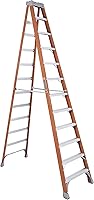
| Step ladder | Opens into a self-supporting frame | Indoor chores and moderate-height work |
| Platform ladder | Provides a larger standing surface on some models | Tasks that need room to shift position |
| Extension ladder | Sliding sections rest against a support | Reaching higher exterior areas |
| Telescoping ladder | Sections extend and collapse | Compact storage and transport |
| Multi-position ladder | Adjusts into different configurations | Work that calls for more than one setup |
| Step stool | Short, compact climbing aid | Low shelves and small reach gaps |
The names alone don't tell you whether a ladder suits a particular job. Check its label and instructions, including the allowed setup, load capacity, and safe standing steps.
For the basics of choosing a reach height, see what size ladder you should buy. A ladder's stated length is not the same as the height you can safely reach from it.
When should you choose a step ladder?
Choose a step ladder when you need a self-supporting ladder and have room to open its frame. It is a common fit for indoor tasks where there is no suitable wall or support to lean against.
Step ladders come in different heights and materials. Fiberglass models are non-conductive according to their product information, while aluminum models are lighter in many designs; check the specific ladder and keep any ladder away from electrical hazards.
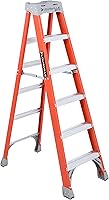
The Louisville FS1506 is a 6 ft fiberglass step ladder with a 300 lb load capacity, molded tool slots, and rubber feet. Its fixed height suits shorter household jobs where a compact stepladder is enough.
Don't stand on a step or cap marked as unsafe, and don't use a step ladder while it is folded or leaning. For more options by size and shape, browse step and platform ladders.
What makes a platform ladder different?
A platform ladder includes a standing platform instead of only narrow rungs at the top. That larger surface can suit work where you need a steadier place for both feet, but it doesn't remove the need to follow the ladder's label.
Platform designs vary. Compare the platform size, guardrail features, overall height, and storage footprint before buying.
When is an extension ladder the right type?
Choose an extension ladder for higher work where it can rest against a suitable support. It needs a stable setup and enough clear space to position the base and extend its sections.
Unlike a step ladder, an extension ladder does not stand on its own. Use it only in the configuration described by its manufacturer, and don't rest it against weak or unstable surfaces.
The Louisville FE3224 is a 24 ft fiberglass extension ladder with a 300 lb load capacity. It has a Maxlock rung lock, a QuickLatch system, and steel swivel safety shoes with rubber treads.
Before climbing, check that the sections are secured and the feet sit on firm, level ground. Use another ladder type if you cannot set the extension ladder at the required angle or secure position.
For a sizing decision, read what size ladder you should buy. For jobs on stairs, see how to use a ladder on stairs and follow the ladder's instructions for that setup.
What are telescoping ladders used for?
Telescoping ladders collapse into shorter sections for storage and transport. They can suit people who need a ladder that takes up less space when not in use.
A telescoping design still has a maximum extension and a required setup. Extend and lock it exactly as its instructions describe, then confirm each section is secure before climbing.
The Xtend+Climb 785P+ extends to 15.5 ft and has a 250 lb load capacity. Its rungs lock individually, and its carrying handle is designed for one-handed carrying.
A telescoping ladder may not be the best choice if you need a broad, self-supporting frame or a larger standing platform. Compare its extended height, collapsed dimensions, weight, and safe setup with the job.
See telescoping ladder pros and cons for the tradeoffs, or compare telescoping ladders for home use.
What does a multi-position ladder do?
A multi-position ladder changes into more than one configuration, such as an A-frame or an extension setup. It can suit jobs where one ladder needs to handle different arrangements.
The LANBITOU 14 ft multi-position ladder is described as convertible into an extended A-frame, stair ladder, tall ladder, or folding shape for storage. Its aluminum construction and two balance bars are listed features.
The exact setup options depend on the model. Read its instructions before changing positions, check that all locks engage, and use only configurations the manufacturer allows.
Multi-position designs can be heavier or more complex to set up than a basic step ladder. If you need a ladder for stairs, see how to use a ladder on stairs and confirm that your model permits the setup.
How do you match ladder type to the job?
Match the ladder's allowed setup and working height to the task. A ladder that stores well may still be a poor fit if it cannot be safely positioned where the work is.
- For indoor jobs without a wall to lean on, start with a step ladder.
- For higher exterior work against a suitable support, consider an extension ladder.
- For compact storage, compare telescoping options.
- For several permitted setups, consider a multi-position model.
- For a low reach, a step stool may be enough.
Next, check the floor or ground, the space around the ladder, and the distance to the work. Don't stretch sideways from a rung; climb down and reposition the ladder instead.
The right size depends on the task and safe reach, not just the ladder's length. Use the step ladder height chart as a starting point for step ladder sizes.
What should you check before choosing a ladder?
Check the duty rating, material, height, setup type, and storage size before selecting a ladder. Count your body weight plus clothing, tools, and materials against the ladder's rated capacity.
Ladders also differ in material. Fiberglass is non-conductive, while metal ladders conduct electricity; keep all ladders clear of power lines and electrical sources, and follow the safety label.
The ladder's rating applies to the total load, not just the person climbing. Read how much weight a ladder can hold and choose a capacity that covers you and anything you carry.
Inspect the ladder before each use. Don't climb one with damaged rails, loose steps, missing feet, or locks that won't engage.
Which ladder type should you choose?
For many household jobs, choose a step ladder for a self-supporting indoor setup, an extension ladder for higher supported work, and a telescoping or multi-position model when storage or configuration matters. Let the task and the ladder's instructions decide which option fits.
If you are unsure about reach, start with what size ladder you should buy. Then compare the ladder type, rating, setup needs, and storage space before deciding.
Frequently asked questions
What are the main types of ladders?
The main types are step ladders, extension ladders, telescoping ladders, and multi-position ladders. Step ladders stand on their own for tasks at moderate heights, extension ladders lean against a support for higher work, and telescoping or multi-position designs adjust or fold for storage and varied setups.
Which ladder type is best for home use?
A step ladder suits many indoor tasks because it stands on its own and comes in sizes for different reach needs. For higher work against a wall, an extension ladder may fit better.
Consider the work height, available floor space, storage, and the ladder's label before choosing.
What is the difference between an extension ladder and a step ladder?
A step ladder has front and rear sections that open into a self-supporting frame. An extension ladder uses sliding sections and must rest against a suitable support.
Use the ladder type designed for the setup, and follow its instructions and safety label.
Are telescoping ladders and multi-position ladders the same?
No. A telescoping ladder extends and collapses in sections for a compact stored shape.
A multi-position ladder can be configured into different forms, such as an A-frame or an extension setup, depending on its design.
Some ladders combine features, so check the exact model instructions.