Telescoping Ladder Pros and Cons for Homeowners
A telescoping ladder saves storage space and adjusts to different heights, but it needs careful setup and rung-by-rung checks. Choose one only if its reach, weight limit, and instructions suit your jobs.
On this page (8 sections)
- What are the pros and cons of a telescoping ladder?
- How does a telescoping ladder save space?
- Is an adjustable ladder useful for different home jobs?
- What setup checks do telescoping ladders need?
- How do you choose the right reach and weight limit?
- Is a telescoping ladder easy to carry?
- What should you compare before buying?
- Who should choose a telescoping ladder?
A telescoping ladder can save storage space and adjust to different heights, but it needs careful setup and rung-by-rung checks. Choose one only if its reach, weight limit, and instructions fit the jobs you plan to do.
Its main advantage is that it retracts for storage and transport. The tradeoff is more attention during setup: you need to extend it correctly, confirm the locks, and follow its specific instructions before climbing.
What are the pros and cons of a telescoping ladder?
The biggest pros are compact storage, portability, and adjustable height; the biggest cons are setup checks and the need to match the ladder to each job. Those tradeoffs matter more than a long feature list if you only need a ladder for occasional home work.
| Advantage | Tradeoff |
|---|---|
| Retracts to a shorter shape for storage | Must be extended and locked as instructed |
| Can adjust to different heights | Each setup requires the right height and lock checks |
| Can fit in a vehicle or tight storage area | Weight and retracted size vary by model |
| One ladder may cover several tasks | Not every height or task is a good fit |
A telescoping design may be useful if you have limited garage space or need to carry a ladder in a car. It may be less appealing if you want a ladder you can open quickly for frequent indoor jobs.
The word “adjustable” does not mean you can ignore the ladder's instructions or use it in any position. Confirm the approved setup, surface, and task before climbing.
How does a telescoping ladder save space?
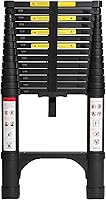
A telescoping ladder retracts into a shorter form than its fully extended length, which can make storage easier in a closet, behind a door, or in a vehicle. The amount of space it needs depends on the specific model.
For example, the Xtend+Climb 785P+ has a listed maximum height of 15.5 ft and an integrated soft carrying handle. Xtend & Climb describes its closure system as including a dampening feature that lets each rung close gently.
This option may suit a homeowner who values reach and carrying convenience. Its listed weight is 38 lb, so consider that before choosing it for a route with stairs or frequent carrying.
Measure your storage spot and vehicle opening before buying. A ladder's collapsed dimensions, rather than its full height, determine whether it fits where you plan to keep it.
Is an adjustable ladder useful for different home jobs?
An adjustable ladder can help when tasks call for different heights, but confirm that the model supports the height and setup you need. Do not assume every telescoping ladder can be used as a step ladder, multi-position ladder, or on stairs.
BOCOM describes its 14.5 ft aluminum ladder as adjustable in 1 ft increments, with sliding latches, textured steps, and anti-slip feet. It also includes two triangular stabilizers, according to the brand's product details.
That adjustment range may help when one task is lower than another. Read the instructions for how to extend, lock, and use this model, and make sure the required height falls within its approved setup.
For jobs on stairs or around a stairwell, do not improvise a ladder position. See our guide to choosing a ladder for stairs and follow the ladder maker's instructions for the exact configuration.
What setup checks do telescoping ladders need?
Follow the ladder's instructions, extend it in the stated order, and check every rung lock before climbing. Keep fingers away from closing sections, and stop if a rung or latch does not lock as directed.
Telescoping ladders use sections that slide into one another. A missed or incomplete lock can make the ladder unsafe to use, so don't rush through setup or rely on appearance alone.
Before each use:
- Inspect the rails, rungs, feet, and locks for damage or dirt.
- Set the ladder on a firm, level surface.
- Extend it as directed by the manufacturer.
- Check each rung or lock using the method in the instructions.
- Keep your hands clear while retracting it, since sections can close.
Some designs add features intended to make closure easier. Xtend & Climb says its 785P+ has an angled thumb release and a no-pinch closure system, but you should still use the hand position and closing procedure in the manual.
For general safe use, read our step ladder safety guide. Its basic checks are useful context, while the telescoping ladder's own instructions govern its setup.
Can you use a telescoping ladder on uneven ground?
Use a telescoping ladder on a stable, level surface unless its instructions specifically allow another setup. Don't place it on boxes, loose blocks, or other makeshift supports to gain height.
If ground is uneven, pause and choose a safe way to level the ladder that the manufacturer permits. Our guide to leveling a ladder on uneven ground explains why a secure base matters.
How do you choose the right reach and weight limit?
Choose a ladder whose approved height and capacity fit both the task and the person using it. Include clothing, tools, and anything carried while climbing when considering the load.
A maximum height is not the same as safe working reach. Check the ladder's instructions for how it is meant to be positioned and which rungs may be used, then compare that guidance with the height of the task.
UC UP CLIMBER's telescoping ladder reaches 12.5 ft and has a stated 330 lb capacity. Its product details identify aluminum as the material, while the title calls it heavy duty.
This model may fit a homeowner who needs a shorter maximum height than a 14.5 ft or 15.5 ft option. The listed height and capacity do not tell you whether it suits a particular ceiling, roof edge, or access point; check the instructions and measure the job first.
Compare the load capacity and your total carried load before climbing. Our guide to how much weight a ladder can hold explains how to read a ladder's capacity.
If your main question is the height you need, use our home ladder size guide to compare the task with ladder reach. A ladder that extends higher is not automatically the right choice if a shorter model suits your work and storage better.
Is a telescoping ladder easy to carry?
A retractable ladder can be easier to fit into a vehicle or compact storage area, but portability depends on its weight and carrying features. Check those details against how far you need to move it and whether you'll carry it alone.
The Xtend+Climb model has an integrated soft handle and weighs 38 lb. BOCOM describes its model as having an integrated handle and a Velcro strap, while its listed weight is 9.07 kg.
Those figures use different units, so compare them consistently before choosing. A handle can help with grip, but it does not make a heavy ladder easy for every person to carry.
Plan your route from storage to the work area. Our article on carrying a ladder without strain covers ways to handle ladder transport more comfortably.
What should you compare before buying?
Compare maximum height, stated capacity, weight, retracted size, and the lock instructions. Then decide whether compact storage and adjustable setup are worth the extra care for your household.
A smaller maximum height can be easier to handle and store, while a taller ladder may reach more tasks. Neither is a benefit if it does not fit the job or if you cannot carry and set it up safely.
Consider these questions:
- Will it reach the work area in an approved position?
- Is the stated capacity enough for you and your tools?
- Can you lift and carry its weight along your route?
- Will it fit in your intended storage space or vehicle?
- Are the setup and closure steps clear to you?
- Does the ladder's manual allow the surface and use you have in mind?
If you need a broader comparison of compact options, see our guide to telescoping ladders for home use. It can help you compare models against your job and storage needs.
Who should choose a telescoping ladder?
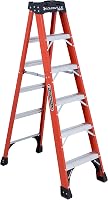
A telescoping ladder is a reasonable choice when you need adjustable reach and compact storage, and you're willing to check the locks and follow the setup instructions every time. A fixed step ladder may be a better fit for repeated indoor tasks where you want a simple, quick setup.
Choose a model by matching its approved reach, load capacity, weight, and retracted size to your home. For more ladder types and their usual jobs, see what types of ladders are there.
For a closer look at models selected for household tasks, compare the best telescoping ladders for home use. Check each model's instructions before using it on a specific job.
Frequently asked questions
What are the main pros and cons of a telescoping ladder?
A telescoping ladder can save storage space, travel in a vehicle, and adjust to different heights. Its tradeoffs include careful extension and closure, checking each lock, and choosing a stable surface.
Compare its reach and weight limit with the job, then follow the ladder's instructions every time.
Are telescoping ladders good for home use?
They can suit home use when compact storage and adjustable height matter, such as occasional access to a loft or a repair task. Check the ladder's instructions, capacity, and working height for the specific job.
A fixed step ladder may be simpler for frequent indoor tasks on level floors.
How do you check a telescoping ladder before climbing?
Follow the manufacturer's setup instructions and confirm each rung is fully extended and locked before climbing. Inspect the ladder for damage, place it on firm, level ground, and keep your hands clear of closing sections.
Don't use it if any lock or rung does not behave as instructed.
Is a telescoping ladder easier to carry than a step ladder?
It may be easier to store and transport because it retracts into a shorter shape, but that doesn't mean every telescoping ladder is light. Compare the stated weight and carrying features with your route.
Plan how you'll move it before choosing a ladder for regular jobs.