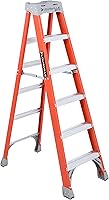
How to Carry a Ladder Without Strain
Carry a ladder with its weight balanced close to your body, with the front end raised enough to clear the ground. Check the path first, use a helper for a long or awkward ladder, and follow the ladder maker's handling instructions.
On this page (9 sections)
- How do you carry a ladder safely?
- What should you check before lifting a ladder?
- How do you move a long or awkward ladder?
- Should you carry a ladder on your shoulder?
- Which ladder styles are easier to move?
- How do you carry a ladder through a doorway or around a corner?
- When should you use a ladder carrier or get help?
- How should you set down and store a ladder?
- What is the safest way to carry a ladder?
Carry a ladder with its weight balanced close to your body, with the front end raised enough to clear the ground. Check your route before lifting, move slowly, and get help if the ladder is long, heavy, or awkward to control.
A clear path and a secure grip matter more than speed. Close doors, move loose items, and look for low ceilings, lights, wires, and people along the route.
How do you carry a ladder safely?
Grip the ladder near its balance point and keep it close to your body. Lift with a steady stance, and avoid twisting your back as you turn.
For a folded stepladder, hold the rails so the ladder stays closed. For an extension ladder, secure its moving section as the manufacturer directs before carrying it.
Raise the front end enough to clear the floor, but check overhead space first. Keep the back end from swinging into walls, furniture, or anyone nearby.
If the ladder is too heavy or awkward to move without straining, don't carry it alone. Use a helper, a suitable ladder carrier, or another method recommended by the ladder maker.
What should you check before lifting a ladder?
Check the ladder, your route, and your grip before you lift. Don't carry a ladder with loose parts, a damaged rail, or an unsecured extension section.
Clear the full path, including doorways, corners, and the place where you'll set the ladder down. Look above as well as at floor level, and keep the route away from overhead power lines.
Wear footwear that gives you a steady footing. Keep both hands available to control the ladder, and don't carry tools or other items at the same time.
How do you move a long or awkward ladder?
Use a second person when a ladder is too long to balance and steer safely by yourself. Agree on which end each person will hold and move together at a slow pace.
Take wide turns so the ends don't sweep into people or objects. At a doorway or corner, pause and check the far end before changing direction.
A helper can guide the end you can't see, but both people need to keep a firm grip. Set the ladder down if either person loses balance or can't control the load.
Should you carry a ladder on your shoulder?
Use a shoulder carry only if you can keep the ladder balanced and see where you're going. A ladder that shifts, presses painfully, or blocks your view is too difficult to carry that way.
Keep the front end raised enough to clear the ground and watch for overhead obstacles. Ask a helper to guide the far end if you can't see it.
Don't force a carry that hurts or feels unstable. If you often move a ladder around the house, our guide to lightweight step ladders that are easy to carry can help you compare more portable options.
Which ladder styles are easier to move?
A compact ladder is usually easier to carry and store than a long, bulky one. Match the folded size and weight to where you plan to move and keep the ladder.
The Little Giant Flip-N-Lite is a 6 ft aluminum stepladder that weighs 14 lb. Its release handle opens the frame, and its built-in platform and tool tray suit jobs where a small step ladder fits the task.
A telescoping ladder can fold down for transport, but its extended length still needs careful handling. The BOCOM telescoping ladder extends to 14.5 ft and includes a handle and Velcro strap for carrying when retracted.
A multi-position ladder can suit jobs that need different configurations, though it may be heavier to move. The LANBITOU weighs 26 lb and folds to 29 in long, 47 in high, and 9 in thick.
Before choosing a ladder, compare the space you need to reach with the ladder's type and size. Our guides to ladder types and how to choose a ladder size cover those decisions.
How do you carry a ladder through a doorway or around a corner?
Pause at tight turns and reposition the ladder before moving through. Keep both ends in view, or ask a helper to guide the end you can't see.
Tilt the ladder only as much as needed to clear the opening. Don't twist it through a doorway if an end could strike someone, a light, or a nearby object.
For a stairway, use a helper if the ladder is long or blocks your view of the steps. If you're setting up a ladder on stairs, read how to use a ladder on stairs first and follow the ladder maker's instructions.
When should you use a ladder carrier or get help?
Get help when you can't carry the ladder without straining, losing balance, or blocking your view. A long ladder, a winding route, stairs, and a tight doorway can all make solo handling harder.
A ladder carrier or strap may help keep a ladder together during transport, but use one only if it suits the ladder and follows its instructions. Don't assume a strap makes a ladder safe to lift alone.
If a ladder feels too heavy, choose a shorter or lighter type for the task when appropriate. Don't select a ladder that fails to reach the work safely just to make it easier to carry.
How should you set down and store a ladder?
Set the ladder down gently on a clear, stable surface, then secure it for storage. Keep fingers away from hinges and closing sections as you lower it.
Close or retract the ladder according to the maker's instructions. Store it where it can't fall, block an exit, or be reached by children.
Before the next use, check for damage and confirm that locks, hinges, feet, and moving parts work as intended. For safe setup and climbing, see how to use a step ladder safely.
What is the safest way to carry a ladder?
Choose the carry method you can control for the full route. Keep the ladder balanced and close, check clearance at both ends, and ask for help when its length or weight makes solo handling difficult.
Pick a lighter step ladder if your main concern is frequent carrying around the home. Consider a folding or telescoping design when compact storage matters, and review telescoping ladder pros and cons before choosing one.
Frequently asked questions
How do you carry a ladder by yourself?
Carry it only if you can keep it balanced and see your path. Hold it near the midpoint, keep the load close to your body, and raise the front end enough to clear the ground.
Get help if the ladder is long, heavy, awkward, or blocks your view.
Which end of a ladder should be higher when carrying it?
Raise the front end enough to clear the ground and keep the ladder under control. The right angle depends on the ladder's length and the route, so check overhead and nearby obstacles before moving, and use a helper for a long ladder or a tight turn.
Is it safe to carry a ladder on your shoulder?
A shoulder carry may work for a ladder you can control without blocking your view, but it isn't right for every person or ladder. Follow the maker's instructions, keep the ladder balanced, and ask for help if it shifts, strains you, or makes the route hard to see.
How should you carry a ladder through a doorway?
Check the doorway and the space beyond it, then keep the ladder angled so its ends clear the frame. Move slowly, watch both ends, and ask someone to guide the far end if you can't see it.
Don't force a ladder through a tight opening.