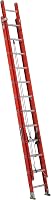
How to Stop a Fiberglass Ladder From Shedding
Stop using a fiberglass ladder that sheds fibers until you inspect it. Clean loose fibers carefully, then follow the manufacturer’s repair guidance; replace the ladder if its rails are cracked, weakened, or still shedding.
On this page (7 sections)
- What should you do first when a fiberglass ladder sheds?
- Why does a fiberglass ladder shed fibers?
- How do you clean loose fiberglass fibers safely?
- Can you repair a fiberglass ladder to prevent shedding?
- How can you reduce fiberglass ladder shedding later?
- Which fiberglass ladder could suit a replacement?
- When should you replace a shedding fiberglass ladder?
To stop a fiberglass ladder from shedding, take it out of service, inspect the rails, and follow the maker’s repair guidance. Don't sand, paint, or coat a damaged rail as a shortcut; replace the ladder if it is cracked, weakened, or continues to shed.
Fiberglass fibers can irritate skin and eyes. Keep others away while you inspect and clean the ladder, and avoid actions that put dust into the air.
What should you do first when a fiberglass ladder sheds?
Stop climbing and move the ladder away from work areas. Set it down gently, keep it out of use, and check its manual for inspection and care instructions.
Wear suitable gloves, long sleeves, eye protection, and a dust mask while checking for loose fibers. Don't touch your face, brush the rails with a dry cloth, or blow off residue with compressed air.
Look over both rails, the rungs, feet, braces, spreaders, and hardware. Note where fibers appear and whether you see cracks, splits, deep gouges, crushed areas, loose fittings, or signs of an impact.
If loose material is visible, keep the ladder isolated until you've learned how the manufacturer says to clean and assess it. Avoid dragging it through the house or storing it where people may brush against it.
Why does a fiberglass ladder shed fibers?
Fiberglass may shed when its surface veil or coating wears away, or when the rail has been damaged. Sun exposure, abrasion, impact, chemicals, or rough handling can contribute, but visible fibers alone don't show how much strength remains.
Don't assume shedding is only cosmetic. A damaged rail can make the ladder unsafe even if the steps and feet look intact.
For storage advice that may help limit exposure, see whether fiberglass ladders can be stored outside. If you're weighing an older ladder's condition, whether fiberglass ladders expire explains why age alone doesn't replace an inspection.
How do you clean loose fiberglass fibers safely?
Follow the ladder maker's cleanup instructions and keep fibers from becoming airborne. If the manual allows damp cleaning, use a damp disposable cloth to collect loose surface residue without rubbing hard.
Don't dry-sand, scrape, wire-brush, or pressure-wash the rails. These methods can spread fibers or remove more surface material.
Collect used cloths and protective gear in a sealed bag, then wash exposed skin gently with soap and water. If fibers get into your eyes, rinse with clean water and seek medical advice if irritation continues.
Keep children and pets away until the area and ladder are clean. Don't return the ladder to service just because the visible fibers are gone.
Can you repair a fiberglass ladder to prevent shedding?
Only use a repair method approved by the ladder manufacturer for that ladder model. A coating or resin repair may not restore structural strength, and an unapproved patch can hide damage that needs a closer inspection.
Contact the manufacturer or a qualified ladder repair service with the model, age, and a clear description of the damage. Ask whether the ladder can be repaired, what materials and steps are approved, and whether it needs a post-repair inspection.
If no approved repair is available, or the rail is cracked, split, crushed, or still sheds after an approved repair, replace the ladder. Don't climb it while you wait for an answer.
Does resealing a fiberglass ladder stop shedding?
Resealing may help with a surface issue only when the maker approves the product and procedure. The correct coating depends on the ladder and the condition of its rails, so don't choose one based on a general online repair recipe.
Don't apply paint, clear coat, resin, or tape without confirmation from the manufacturer. A fresh layer can make damage harder to see and may not bring a weakened rail back to a safe condition.
How can you reduce fiberglass ladder shedding later?
Store and handle the ladder according to its manual, and inspect it before each use. Keep it away from conditions the maker warns against, and avoid dragging rails across rough surfaces.
Use two people to move a heavy ladder when needed, and secure it so it cannot slide or strike other equipment in storage or transit. If you need help deciding how to move one safely, read how to carry a ladder without strain.
Before climbing, check that the rails and steps are free of damage and that feet, braces, and spreaders work as intended. For broader setup advice, see how to use a step ladder safely at home.
Which fiberglass ladder could suit a replacement?
A replacement should match the work, height, and load you need. These fiberglass step ladders have features that may suit different jobs, but they don't repair an existing ladder.
The Louisville FS1508 is an 8 ft fiberglass step ladder with non-conductive rails, a 300 lb capacity, and a tool top with molded slots.
The Little Giant MightyLite is a 6 ft fiberglass stepladder with a full standing platform, 3 in steps, and a Ground Cue feature.
The DeWalt DXL3810-08 is an 8 ft fiberglass step ladder with a 500 lb capacity and slip-resistant rubber feet.
Choose by the task and required working height, then confirm the ladder's label and manual. For help comparing ladder materials, read aluminum or fiberglass step ladder: which to buy?.
When should you replace a shedding fiberglass ladder?
Replace it if its rails are cracked, split, crushed, badly worn, or still shedding after an approved repair. Also remove it from use if you can't confirm that a repair restored it to safe condition.
Don't judge the ladder by appearance alone or try to test it by climbing. Use the manufacturer's inspection instructions, and replace the ladder when its condition is uncertain.
If shedding is limited to loose surface fibers and the maker confirms a safe repair, follow that exact procedure and any inspection steps. When repair isn't approved, replacement is the safer choice.
Frequently asked questions
Can you paint a fiberglass ladder to stop shedding?
Don't use paint as a substitute for a ladder repair. A coating may hide damage without restoring the rail's strength, and it can affect inspection of the surface.
Stop using a ladder that sheds, check its manual, and contact the maker or a qualified ladder repair service about an approved repair or replacement.
Is a fiberglass ladder safe if it sheds?
Not until you know why it is shedding and whether the rails remain sound. Loose surface fibers can irritate skin, while deeper wear, cracks, or impact damage can signal a structural problem.
Keep the ladder out of service during inspection, and replace it if damage or ongoing shedding remains.
Can I sand a fiberglass ladder?
Avoid sanding a ladder rail as a quick fix. Sanding can release more fibers and remove material from a structural part.
Follow the ladder maker's care and repair instructions, and use a qualified repair service if the damage is more than loose surface residue.
How do I clean fiberglass dust from a ladder?
Keep people away from the area and avoid dry brushing or compressed air, which can spread fibers. Use the ladder maker's cleanup instructions and suitable protective gear; damp methods may help contain dust when the maker allows them.
Bag cleanup waste carefully and wash exposed skin with soap and water.