Can Fiberglass Ladders Be Stored Outside?
A fiberglass ladder can be stored outside temporarily, but a dry, shaded indoor spot is better for long-term storage. Sun, moisture, and dirt can wear its parts or hide damage, so protect it and inspect it before climbing.
On this page (6 sections)
A fiberglass ladder can be stored outside temporarily, but a dry, shaded indoor spot is better for long-term storage. Sun, moisture, and dirt can wear its parts or hide damage, so protect it and inspect it before climbing.
Fiberglass is often chosen for its non-conductive properties, but that doesn't make a ladder weatherproof or safe around electricity in every condition. Keep the ladder clean and dry, follow its care instructions, and treat damage as a reason to stop using it.
Can fiberglass ladders be stored outside long term?
Long-term outdoor storage is best avoided when you have a dry indoor option. Weather can affect the ladder's metal hardware, feet, and surface, while sunlight can contribute to fiberglass aging.
Rain may leave water around joints and fittings. Dirt and debris can collect on rungs, and repeated wet and dry cycles can make corrosion or wear harder to spot.
A covered outdoor area is better than leaving a ladder exposed, but it still experiences changes in temperature and humidity. A garage, shed, or other dry storage area offers more protection.
What can sunlight and weather do to a fiberglass ladder?
Sun, moisture, and grime can shorten the useful life of ladder parts or make damage harder to see. Fiberglass rails may fade or develop surface wear, while metal parts can corrode and feet can become worn or loose.
A cover helps reduce exposure, but it doesn't reverse existing damage. Don't paint, sand, or coat fiberglass rails unless the ladder's manufacturer says that specific treatment is safe.
If the rails shed fibers, use the care steps in our guide to stop a fiberglass ladder from shedding. For broader age and condition questions, see whether fiberglass ladders expire.
How should you store a ladder outside?
Choose a sheltered, shaded place and keep the ladder dry, stable, and off the ground if possible. Secure it against tipping or sliding, and avoid resting it where vehicles, doors, or stored items can strike it.
A breathable cover can keep off rain and dirt. Make sure it doesn't hold water against the rails, and check underneath it now and then so moisture doesn't stay trapped.
Don't store a ladder beside chemicals, a heat source, or anything that could damage its rails or fittings. Follow the ladder's own storage directions if they differ from these general steps.
Should you store a step ladder or extension ladder differently?
Store either type with its weight supported and movement restrained. A step ladder should be closed and secured; an extension ladder should be stored so its sections can't slide or shift unexpectedly.
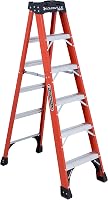
The Louisville FS1506 is a 6 ft fiberglass step ladder with rubber feet and a molded top with tool slots.
The Louisville FE3224 is a 24 ft fiberglass extension ladder with a rung lock and a system to secure its sections.
Use the ladder's instructions for the proper storage position and support points. If you're deciding between ladder styles, our guide to the types of ladders explains common options.
How do you inspect an outdoor-stored ladder before use?
Check the rails, rungs, feet, spreaders, locks, and other fittings before every climb. Look for cracks, bends, loose connections, corrosion, missing parts, splinters, or slippery dirt.
Open a step ladder and confirm its spreaders lock as intended. On an extension ladder, check that the sections and rung locks move and engage according to the instructions.
Wipe away dirt and let wet surfaces dry before climbing. Don't use a ladder with visible damage or questionable hardware; contact the manufacturer or replace it as directed.
A ladder's load rating includes the user and anything they carry. Our guide to how much weight a ladder can hold explains how to account for that total.
When should you stop using a fiberglass ladder?
Stop using it if you find a crack, broken or loose part, serious corrosion, or damaged fiberglass rails. Don't try to hide damage with paint or an improvised repair.
If you see fibers on the surface, avoid rubbing them with bare hands and follow the manufacturer's guidance. A ladder with damage that affects its strength or stability should not be climbed.
Which fiberglass ladder fits your storage setup?
Choose a ladder that fits the job and the space where you can store it safely. A shorter step ladder may be easier to keep indoors, while an extension ladder needs enough supported length and secure storage space.
The DeWalt DXL3410-06 is a 6 ft fiberglass step ladder with a tool top and non-marring shoes.
Compare ladder materials in our aluminum versus fiberglass step ladder guide. If you need a step ladder, see what size ladder to buy before choosing a height.
What is the safest storage choice?
Keep a fiberglass ladder indoors, dry, shaded, and secured whenever practical. If it has to stay outside, shelter it from sun and rain, prevent movement, and check it regularly for wear.
Dry and inspect the ladder before use, especially after it has been exposed to weather. If you can't confirm that its rails and fittings are sound, don't climb it.
Frequently asked questions
Can fiberglass ladders get wet?
Yes, fiberglass itself tolerates moisture, but water can still affect metal parts, feet, and hardware over time. Dry the ladder before storing it, check for corrosion or loose parts, and follow its care instructions.
Never climb a ladder with wet, muddy, oily, or icy rungs.
Does sunlight damage fiberglass ladders?
Long exposure to direct sunlight can age fiberglass and contribute to surface wear. Store the ladder in shade when it must remain outside, and inspect the rails for fading, cracks, splinters, or fibers.
Follow the manufacturer's guidance if you notice damage or shedding.
Should a fiberglass ladder be covered outside?
A breathable cover can reduce sun exposure and keep off dirt and rain, but it should not trap moisture around the ladder. Secure the ladder against movement, keep the cover from collecting water, and uncover it periodically to check that the ladder is dry and undamaged.
How should I store a fiberglass ladder?
Store a fiberglass ladder indoors in a dry, shaded place, supported along its rails and secured against falling. Keep it away from heat, chemicals, and standing water.
If outdoor storage is unavoidable, use a sheltered spot and inspect the ladder before every use.